
As a product supplier, we provide options like Vance Insulation & DryGuard Systems to help homeowners facing high energy bills and drafts. Homeowners often ask which works best between spray foam or blown-in insulation in Chesterfield, VA. We supply materials that offer superior performance. For instance, closed-cell spray foam delivers an R-value from about 5.6 to 8.0 per inch, which is far higher than blown-in cellulose or fiberglass.
Below, we compare the insulation types we supply for Virginia homes. We show how R-value, air sealing, and moisture resistance matter, and explain attic insulation needs based on a home energy audit. Read on for clear, practical guidance to help you choose the right insulation materials for Richmond and Chesterfield homes.
Spray foam insulation creates an airtight seal and fills even the smallest gaps, making it a top choice for energy efficiency in Chesterfield homes. Blown-in materials like fiberglass or cellulose insulation cover large spaces quickly and work well in attics or areas with irregular shapes.
Spray foam insulation primarily consists of polyurethane and isocyanate chemistry. You can choose between closed-cell and open-cell varieties. Closed-cell foam often uses denser polymers, while open-cell foam relies on a lighter formulation. Environmentally, spray foam is made from fossil-fuel derived chemicals, which means a higher environmental impact during production and the potential to emit volatile organic compounds during installation. On the safety side, dense closed-cell foam adds structural strength, but installers must use ventilated gear during application due to potential emissions.
When it comes to moisture and mold resistance, properly applied spray foam forms an excellent air barrier. Closed-cell foam limits water movement, though open-cell options can absorb moisture if left exposed. After curing, there are limited recycling options, and manufacturing relies heavily on virgin feedstock. It is applied wet as a foam that expands and cures on site, requiring professional spray equipment and trained crews. As a supplier, we recommend spray foam for air sealing gaps, insulating irregular cavities, and areas where a high R-value per inch or moisture control is essential.
Blown-in insulation utilizes different primary materials, such as cellulose made from recycled paper, fiberglass formed from spun glass, or mineral wool made from rock or slag. Cellulose is incredibly popular for attics and walls, fiberglass resists mold well, and mineral wool offers strong fire resistance. From an environmental standpoint, cellulose uses recycled materials and has a lower carbon footprint in production, while fiberglass and mineral wool have modest footprints.
For safety and fire behavior, fiberglass is non-combustible. Blown products include non-toxic fire retardants to improve safety, and cellulose is specifically treated to resist flames. Regarding moisture, fiberglass naturally resists mold. Cellulose can settle if it gets wet but will dry when properly ventilated, and mineral wool tolerates moisture better than cellulose. Blown-in options generate less embodied waste in production since materials like cellulose use recycled paper. These materials are pneumatically installed using blowers, hoses, and nets or dense-pack rigs. Blown-in insulation is typically used for attics, wall cavities, and retrofits where loose fill adapts easily to the space, with cellulose being highly favored for eco-conscious builds.
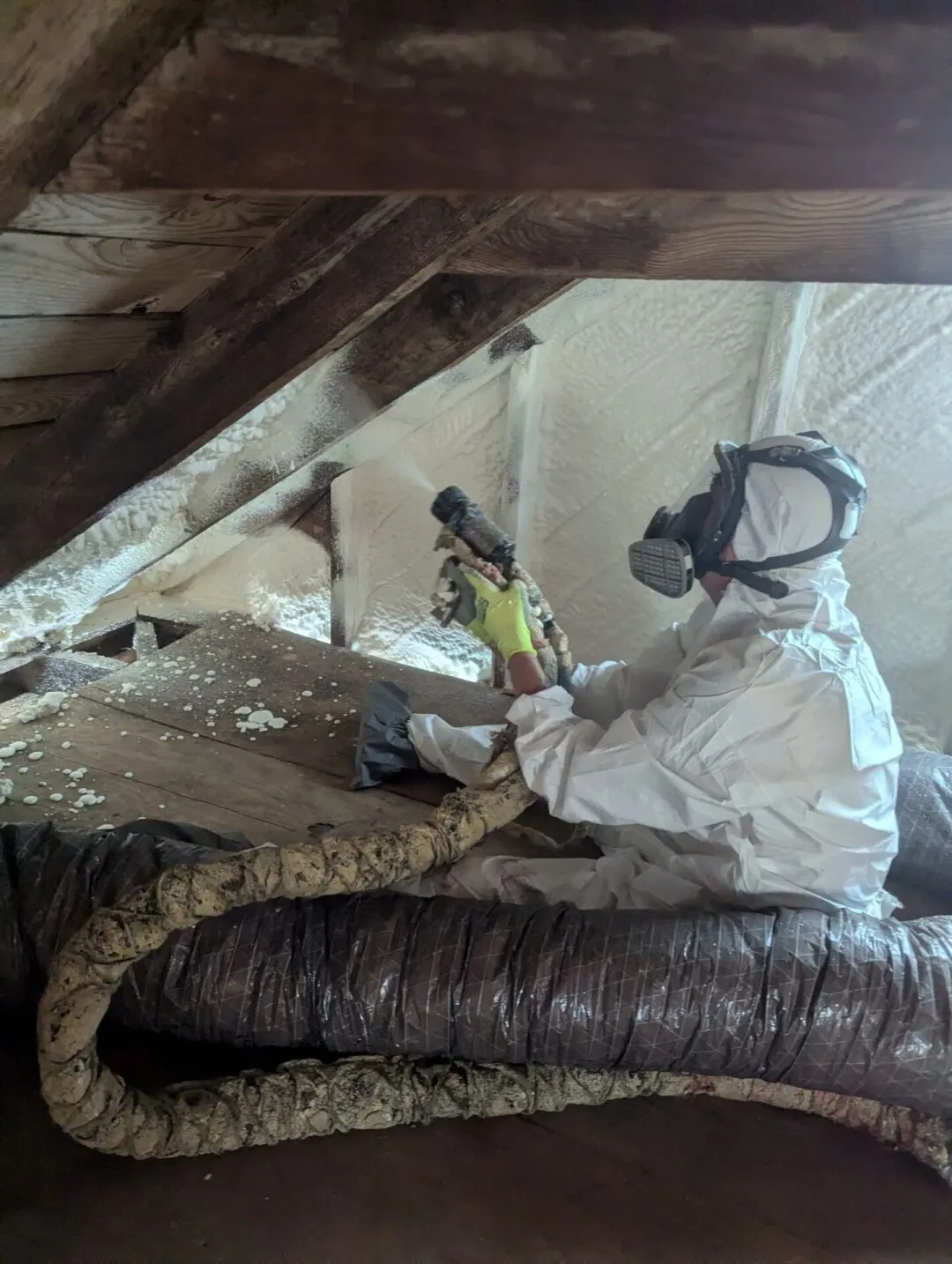
The installation process for spray foam and blown-in insulation varies significantly, and each method requires specific tools to ensure proper application. Spray foam insulation needs specialized spray guns. We supply these high-quality materials and always recommend hiring professionals for accurate installation, as the foam expands to fill gaps and cracks to create an airtight seal. Preparation is key for spray foam, and professionals will cover areas to protect them from overspray during the application process. Safety precautions are also crucial due to potential emissions, so it is important to adhere to safety guidelines during installation. Once applied, post-application maintenance is minimal, allowing homeowners to enjoy long-term benefits without frequent upkeep.
On the other hand, blown-in insulation uses blower machines for easy application. This type suits DIY enthusiasts who want a more accessible option, though professional installation typically takes less than a day. This efficiency allows projects to be completed quickly while improving air sealing. Blown-in insulation can even be added over existing insulation if it remains in good condition, making it a highly versatile choice for attics and large open spaces.
The fiberglass or cellulose materials we supply are processed through shredding and blowing machines, which ensures even distribution throughout the space. Properly sealing any gaps or cracks before applying either type enhances energy efficiency drastically, ensuring the materials you purchase deliver maximum performance for your Chesterfield home.
When we compare spray foam with blown-in insulation, R-value plays a big role. Spray foam often offers better thermal efficiency, sealing gaps and keeping moisture out more effectively than fiberglass options.
When comparing thermal performance, closed-cell spray foam provides the highest R-value per inch, ranging from 5.6 to 8.0. This makes it the best option for reducing heat flow with less thickness. It is typically evaluated using a sprayer unit, thermal cameras, and an understanding of thermal bridging and air sealing. Open-cell spray foam offers good thermal resistance with some compressibility, providing an R-value between 3.5 and 3.8. It adds valuable air barrier qualities and is applied and measured using similar tools, including blower doors.
Blown-in insulation generally offers a variable R-value between 2.2 and 3.8 depending on the material and density, requiring greater thickness to equal the performance of spray foam. Blown fiberglass provides a moderate R-value of 2.9 to 3.7 and performs very well in free-fill attic applications. Blown cellulose has a higher density than fiberglass and provides an R-value of 3.1 to 3.7, making it better at reducing convective heat movement in wall cavities. In a direct comparison, spray foam generally yields higher R-values per inch than blown types, resulting in better thermal performance in tight spaces.
To ensure accurate results, blower door testing and thermal imaging are highly recommended. As a product supplier, we provide the necessary materials to complement spray applicator units and insulation blower machines used on job sites. It is crucial to monitor air sealing and thermal bridging during every assessment. Closed-cell spray foam gives a substantial 5.6 to 8.0 R-value per inch, while open-cell spray foam provides 3.5 to 3.8 R-value per inch. Blown-in options range from 2.2 to 3.8 R-value per inch, with blown fiberglass specifically offering 2.9 to 3.7 and blown cellulose offering 3.1 to 3.7. Ultimately, materials should be selected based on the available space, the desired R-value, and the necessary moisture control.
Spray foam insulation excels at sealing air leaks. Its superior air sealing capabilities significantly enhance energy efficiency in homes. This type of insulation fills gaps and cracks effectively to create a completely airtight barrier. The contractors and builders we supply appreciate this feature, especially when working on new constructions or upgrading existing spaces. Spray foam’s moisture resistance is another major benefit. It creates a strong barrier against water, making it incredibly suitable for basements and crawl spaces.
Blown-in insulation offers moderate air sealing but falls short when compared directly to spray foam. While it works exceptionally well in open areas like unfinished attics, it lacks the same level of moisture resistance. Homes facing high humidity levels may experience less thermal efficiency with blown-in options. However, homeowners often choose fiberglass insulation for larger spaces that do not have the same strict moisture concerns as tightly sealed environments. Supplying these different materials allows us to help customers make informed decisions about their specific insulation needs in Chesterfield.
Chesterfield offers unique climate challenges for homeowners seeking insulation solutions. As a trusted supplier, we recommend utilizing spray foam insulation for basements and crawl spaces. It provides excellent energy efficiency and moisture resistance in these high-risk areas. Homeowners facing extreme weather will greatly benefit from its robust airtight sealing capabilities.
Blown-in insulation truly shines in large open spaces like attics. Its straightforward application makes it perfect for upgrading existing homes with minimal disruption. For eco-conscious projects, cellulose blown-in insulation reduces the overall carbon footprint while still providing highly effective thermal performance. Choosing the right material depends entirely on individual needs and environmental considerations. Relying on premium products from Vance Insulation & DryGuard Systems can help you achieve the best results for your specific demands in Chesterfield.
We understand that choosing between spray foam and blown-in insulation can be challenging. Each product line we supply has distinct advantages for homeowners in our area. Spray foam offers superior energy savings and long-lasting durability, making it the ideal choice for moisture-prone spaces.
Blown-in insulation is highly accessible and much easier to install in larger areas like attics. Weighing these material factors will help you decide which insulation type works best for your home in Chesterfield.
Address: 3922 Puddledock Rd, Prince George, VA 23875
Phone: 804-862-4493
Business Hours:
Mon - Fri: 7:00 AM to 6:30 PM
Sat-Sun: Closed
GreenSky Financing
5% off Military, Veteran, First Responders
