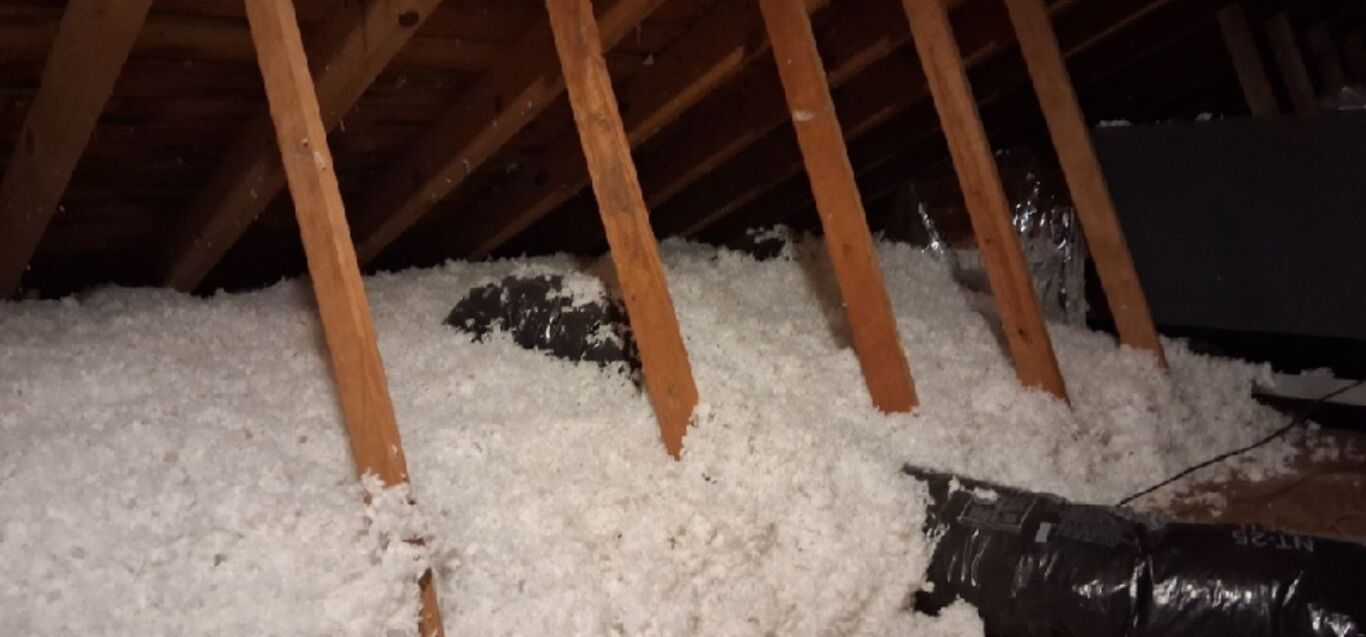
Insulating historic homes presents unique challenges and opportunities, particularly in areas like Old Towne Petersburg and Prince George, VA. Homeowners often seek solutions that not only enhance energy efficiency but also preserve the architectural integrity of their properties.
This article explores various insulation materials and techniques specifically suited for historic homes, addressing common concerns such as moisture control and air sealing. By understanding insulation best practices, you can improve energy efficiency while preserving the charm of your vintage structure.
Best Insulation Materials for Historic Homes in Virginia
When insulating historic homes in Virginia, selecting the right materials is crucial for energy efficiency and preservation. The best insulation materials for these properties include the following:
- Blown-in insulation: Ideal for attics and walls, it conforms to irregular spaces and offers good thermal performance.
- Retrofit insulation: This method involves adding insulation to existing structures without compromising their historical value.
- Spray foam insulation: This material expands to fill gaps, providing excellent air sealing and moisture resistance.
Each of these materials offers distinct benefits, making them suitable for different areas of a historic home. For instance, spray foam insulation not only improves energy efficiency but also helps prevent pests, which is vital for older homes.
How Does Spray Foam Insulation Benefit Old Houses?
Spray foam insulation is particularly advantageous for old houses due to its unique properties. It provides:
- Air sealing: The expanding nature of spray foam fills cracks and gaps, significantly reducing air leakage.
- Energy efficiency: By minimizing air leaks, spray foam insulation can lead to substantial energy savings on heating and cooling costs.
- Moisture resistance: It acts as a barrier against moisture, preventing mold growth and structural damage.
These benefits make spray foam a popular choice among homeowners looking to enhance the comfort and efficiency of their historic properties.
Insulation Options That Preserve Historic Home Integrity
Maintaining the integrity of historic homes while upgrading insulation is essential. The following options are designed to preserve the original structure:
- Blown-in cellulose: Made from recycled paper, this option is eco-friendly and can be installed without invasive measures.
- Drill and fill insulation: This technique allows insulation to be added to walls without removing the exterior, preserving the home’s facade.
- Mineral wool insulation: This material is fire-resistant and provides excellent soundproofing, making it suitable for historic homes.
These insulation methods ensure that the aesthetic and structural elements of historic homes remain intact while improving energy efficiency.
How Does Moisture Control Improve Insulation in Historic Properties?
Moisture control is a critical aspect of insulation in historic properties. Excess moisture can lead to mold growth and deterioration of building materials. Effective moisture management techniques include:
- Humidity control systems: These systems regulate indoor humidity levels, reducing the risk of condensation and mold.
- Proper ventilation: Ensuring adequate airflow in attics and crawl spaces helps to dissipate moisture and maintain a healthy environment.
- Vapor barriers: Installing vapor barriers helps prevent moisture from penetrating walls and ceilings, protecting insulation and structural elements.
Implementing these moisture control strategies not only enhances insulation performance but also prolongs the lifespan of historic homes.
DryGuard System Technology
DryGuard System technology is an innovative approach to moisture prevention in historic homes. This system includes:
- Advanced vapor barriers: These barriers are designed to be more effective than traditional options, providing superior protection against moisture infiltration.
- Humidity sensors: These sensors monitor moisture levels and activate dehumidification systems when necessary, ensuring optimal indoor conditions.
- Integrated drainage solutions: They incorporate drainage features that direct water away from the foundation, preventing water damage.
By utilizing DryGuard System technology, you can significantly reduce the risk of moisture-related issues, thereby enhancing the overall insulation effectiveness of their historic properties.
How a Proper Vapor Barrier Installation Protects Old Homes
Proper vapor barrier installation is essential for protecting old homes from moisture damage. Key benefits include:
- Energy efficiency: A well-installed vapor barrier reduces heat loss, lowering utility bills.
- Improved indoor air quality: By preventing moisture buildup, vapor barriers help maintain healthier indoor air quality.
- Structural protection: Vapor barriers protect wooden structures from rot and decay caused by excess moisture.
Ensuring that vapor barriers are correctly installed is crucial for maximizing their effectiveness in historic homes.
Why Is Air Sealing Essential for Historic Home Energy Efficiency in VA?
Air sealing is a fundamental component of energy efficiency in historic homes. It involves identifying and sealing gaps and cracks that allow air to escape or enter. The importance of air sealing includes:
- Comfort improvement: A well-sealed home maintains consistent temperatures, enhancing overall comfort for occupants.
- Energy loss prevention: Sealing air leaks can reduce energy consumption by up to 30%, leading to significant cost savings.
- Moisture control: Effective air sealing helps prevent moisture intrusion, reducing the risk of mold and structural damage.
By prioritizing air sealing, you can achieve substantial energy efficiency improvements in your historic property.
Benefits of Historic Home Air Sealing Services
Investing in air sealing services for historic homes offers numerous advantages:
- Enhanced energy efficiency: Professional air sealing can lead to lower energy bills by minimizing heat loss.
- Increased comfort: A sealed home provides a more stable indoor climate, improving comfort levels.
- Preservation of historic features: Expert air sealing techniques ensure the home’s historical features are preserved while enhancing energy performance.
These benefits make air sealing services a valuable investment for homeowners looking to improve their historic properties.
How Do Experts Ensure Air Sealing Without Damaging Vintage Structures?
Experts utilize specialized techniques to ensure effective air sealing without compromising the integrity of vintage structures. These methods include:
- Drill and fill techniques: This method allows insulation to be added without removing exterior materials, preserving the home’s appearance.
- Targeted sealing: Professionals identify specific areas that require sealing to minimize disruption to the structure.
- Use of noninvasive tools: Advanced tools and technologies are employed to assess air leaks and apply sealing materials without damaging historic elements.
By employing these expert techniques, you can achieve effective air sealing while maintaining the character of your vintage home.
How To Access Local Energy Rebates
Homeowners in Virginia can take advantage of various local energy rebates and free estimates to improve their historic homes. Steps to access these benefits include the following:
- Contact local utility companies: Many utility providers offer rebates for energy-efficient upgrades, including insulation and air sealing.
- Explore government initiatives: State and federal programs may offer financial incentives to help homeowners make energy-efficient improvements.
- Request a free estimate: Companies like Vance Insulation & DryGuard Systems offer free estimates to assess insulation needs and potential savings.
By leveraging these resources, you can significantly reduce the costs associated with upgrading your historic home.
What Virginia Incentives Support Historic Home Insulation Upgrades?
Virginia offers several incentives to support insulation upgrades in historic homes, including:
- Discounts for military personnel: Special discounts may be offered to military families for energy-efficient home improvements.
- Financing options: Low-interest loans may be available to homeowners undertaking significant energy-efficiency projects.
- Rebates for energy-efficient materials: Homeowners can receive financial assistance for using approved insulation materials.
These incentives make it more feasible for you to invest in necessary upgrades while preserving the historical value of your property.
Our Conclusion
Insulating historic homes not only enhances energy efficiency but also preserves their unique architectural charm. By utilizing the right materials and techniques, you can effectively manage moisture and improve indoor comfort. Take the next step in preserving your historic property by consulting with our team today.