
Living in Virginia means your home has to handle a wide range of conditions. One season brings heat and humidity that seem to settle into every room, while another brings chilly air that finds its way inside through the smallest gaps. We hear the same concerns from homeowners all the time. The upstairs feels warmer than the rest of the house in the summer. Floors feel cold in the winter. Some rooms stay comfortable, while others never quite get there.
We work on these issues every day at Vance Insulation & DryGuard Systems, and insulation is almost always part of the solution. Since 1962, we’ve helped homeowners improve comfort by focusing on insulation, air sealing, and moisture control. When those pieces come together, the home feels more consistent, no matter what the weather is doing outside.
Virginia’s mixed climate puts pressure on homes in a way that’s easy to overlook. Heat and humidity build up during the summer, while cooler temperatures and wind show up in the winter. If insulation coverage is uneven or air leaks go unchecked, those conditions move right into the home.
We often walk into homes that already have insulation in place, but something still feels off. In many cases, the issue isn’t the presence of insulation but how well it performs. Gaps, thin areas, or air movement around insulation can reduce its effectiveness.
By improving insulation and reducing unwanted air movement, we help create a more stable indoor environment. That means fewer drafts, more even temperatures, and a home that feels comfortable throughout the year.
A comfortable home should feel steady from room to room. Many homeowners tell us they notice certain areas that feel warmer or cooler than others, even when the thermostat stays the same.
We improve that consistency by focusing on insulation coverage and air movement. When insulation is installed evenly and air leaks are reduced, the home can hold a more stable temperature.
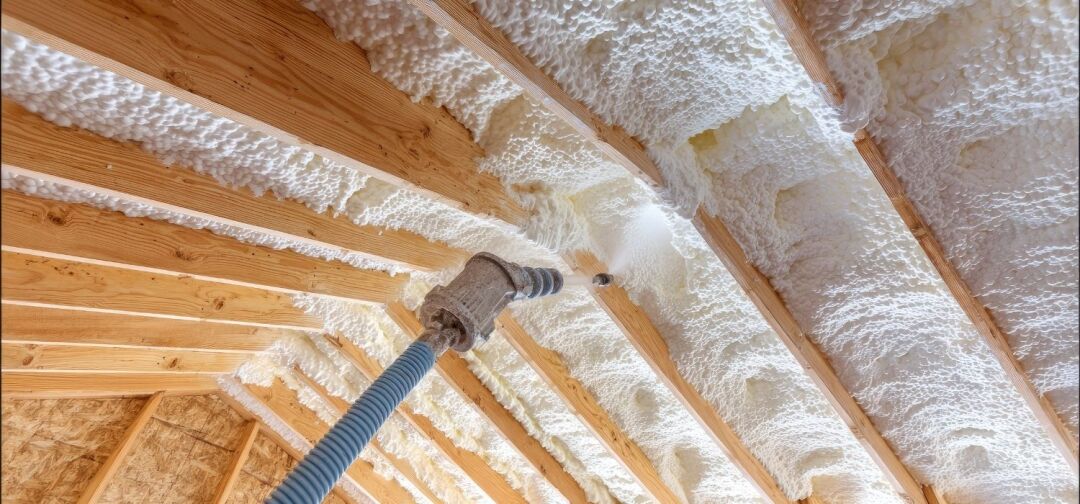
Different insulation types help us address different areas. Fiberglass insulation works well in open spaces, while blown-in insulation helps fill gaps across larger areas. Spray foam insulation handles tighter spaces where air tends to move more freely. In some cases, mineral wool insulation helps provide dense coverage in targeted sections.
The goal is to create a continuous barrier that supports comfort without leaving weak spots.
Better insulation helps heating and cooling systems operate more efficiently. When the home holds temperature more effectively, those systems don’t have to work as hard to maintain comfort.
ENERGY STAR shares that sealing air leaks and improving insulation can reduce heating and cooling energy use by about 15% in many homes. While every home is different, insulation upgrades often lead to noticeable improvements in efficiency.
We focus on practical changes that support long-term performance. By identifying areas where insulation falls short, we help homeowners get more out of their existing systems.
Summer tends to highlight insulation issues quickly. Heat builds in the attic and pushes downward into the living space. At the same time, humid air can enter through small openings and make rooms feel warmer than expected.
We usually begin in the attic because it has such a strong influence on how the home handles heat. When insulation coverage is thin or uneven, heat transfers through the ceiling more easily. Adding attic insulation helps slow that process, but we also focus on sealing the pathways that allow air to move freely.
Attic hatches, wiring penetrations, and duct openings are common problem areas. When those spots remain open, hot air moves into the home and makes it harder for the cooling system to keep up.
To improve attic performance, we install materials that match the space and the condition of the home. In many cases, we use:
Each option has a purpose, and we choose based on what the attic needs rather than forcing one material into every situation.
Humidity also plays a role in summer comfort. When moisture enters the home, it can make the air feel heavier and less comfortable. We look at ventilation and, if needed, crawl space conditions to help manage that moisture.
Crawl spaces influence comfort more than many people expect. Cold air and moisture below the home can affect how floors feel and how air moves throughout the house.
We address crawl space issues by installing vapor barriers, performing encapsulation, and managing moisture. These improvements help create a more controlled environment below the home, which supports better insulation performance above it.
When we improve crawl space conditions, homeowners often notice warmer floors and a more consistent indoor environment.
Winter brings a different set of challenges. Instead of keeping heat out, the focus shifts to holding warmth inside. Cold air can enter through small gaps, and warm air can escape through the attic.
We often find that the attic plays a major role here as well. Warm air rises, so any openings or weak insulation in the attic can lead to noticeable heat loss. Improving insulation in that area helps keep warmth inside where it belongs.
Sealing gaps around attic access points, wiring, and other penetrations helps reduce drafts. These changes can make a noticeable difference in how the home feels, especially in upper-level rooms.
Walls also affect winter comfort. In homes where insulation inside the walls needs improvement, we can add blown-in insulation to help fill cavities and reduce air movement.
Some areas of the home have a stronger impact on comfort than others. We usually focus on these locations first because they tend to deliver the most noticeable results:
Improving insulation in these areas helps create a more balanced and comfortable space.
We take a practical approach to insulation projects. Every home is different, so we start by looking at how the home is currently performing. That allows us to focus on the areas that will make the biggest difference.
Our process typically includes evaluating insulation coverage, identifying air leaks, and recommending improvements based on the home’s layout. If moisture is a factor, we address it as part of the plan so the insulation can perform properly.
As we mentioned, our insulation contractors install fiberglass, blown-in insulation, spray foam, and mineral wool, depending on the home’s needs. Matching the right material to the right space helps improve results and supports long-term performance.
Virginia’s climate puts homes through a lot during the year. Heat and humidity in the summer and cooler conditions in the winter can make comfort feel inconsistent if insulation and air movement are not working together.
We help homeowners improve how their homes handle these changes by focusing on insulation, air sealing, and moisture control. When those elements work together, the home feels more comfortable, temperatures stay more consistent, and energy efficiency improves.
If your home feels uneven between seasons, insulation upgrades can make a real difference in how it performs day to day.
Yes. We reduce air movement and address moisture sources, which helps limit humidity and improve indoor conditions.
Insulation slows heat transfer, which helps keep homes cooler in the summer and warmer in the winter. It also supports better indoor comfort and efficiency.
We usually start with the attic, then look at walls and crawl spaces. Sealing air leaks before adding insulation helps improve performance.
Address: 3922 Puddledock Rd, Prince George, VA 23875
Phone: 804-862-4493
Business Hours:
Mon - Fri: 7:00 AM to 6:30 PM
Sat-Sun: Closed
GreenSky Financing
5% off Military, Veteran, First Responders
