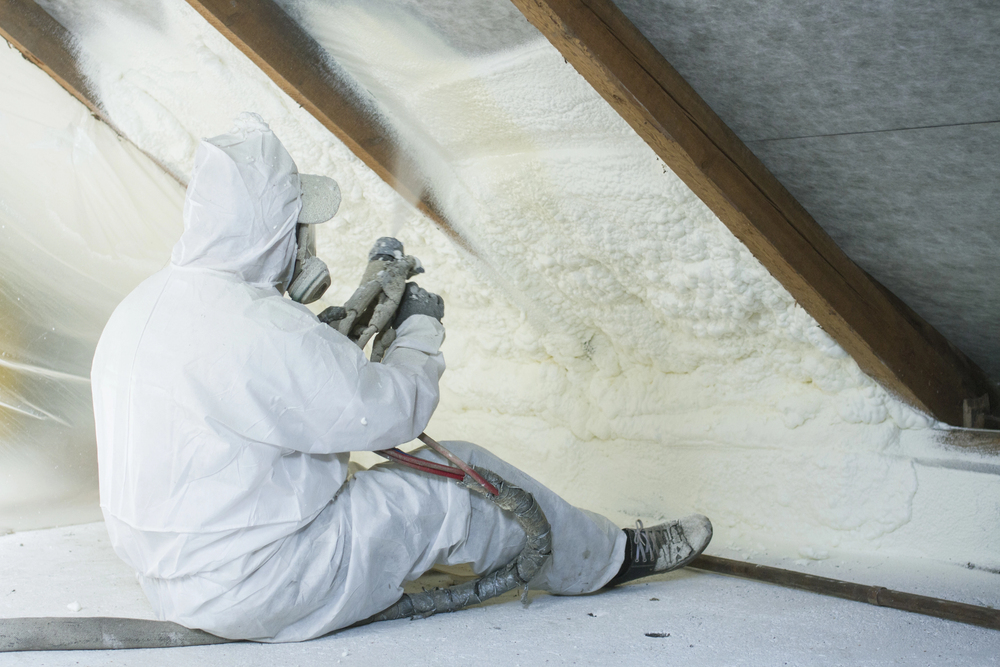
Blow-in insulation (also called blown-in or loose-fill insulation) fills cavities with loose fibers or granules to create a continuous thermal barrier that reduces heat transfer and stabilizes indoor temperatures. This guide explains how blow-in insulation works, compares cellulose, fiberglass, and mineral wool options, and shows how proper installation and incentives can make upgrades affordable. Many homeowners struggle with uneven temperatures, high heating and cooling bills, and noisy rooms; blow-in insulation addresses these problems by reducing conduction, convection, and air infiltration when paired with targeted air sealing. You will learn the physics behind thermal resistance (R-value) and air leakage reduction, the pros and cons of common blown materials for Virginia homes, the professional installation process, and financing and tax-credit options that can lower upfront cost. The article covers what blow-in insulation is and how it works, the key comfort and energy benefits, material selection guidance, the typical installation workflow used by professional installers, seasonal savings expectations, and financing and incentive pathways for Virginia homeowners. By the end you’ll understand why blown-inattic insulation often outperforms batt installs in retrofit scenarios and how to evaluate tradeoffs for your home.
Blow-in insulation is loose-fill material — such as cellulose, fiberglass, or mineral wool — blown into attic spaces, wall cavities, or crawl spaces to form a continuous thermal layer that resists heat flow. The mechanism combines two actions: increasing thermal resistance (R-value per inch of material) and reducing convective air movement by filling gaps and irregular cavities, which lowers heat losses in winter and heat gains in summer. The result is fewer drafts, reduced HVAC runtime, and more consistent room-to-room temperatures. Understanding this mechanism clarifies why blow-in installs are especially useful for retrofits and irregular framing where batts cannot fully fill voids, and why they are often paired with targeted air sealing for best outcomes.
Blown-in materials fall into a few common hyponyms: cellulose blow-in insulation, fiberglass loose-fill insulation, and mineral wool (rock wool) blow-in insulation, with occasional injectable spray-foam applications for specialized cavities. Cellulose is typically dense and made from recycled paper treated for fire resistance; it offers good air-sealing behavior and competitive R-value per inch. Fiberglass loose-fill is lightweight, non-combustible, and resists moisture-driven settling but provides slightly lower R-value per inch than cellulose in some installations. Mineral wool combines high fire resistance and sound absorption with good moisture tolerance, making it a strong choice in mixed-humid climates. These distinctions inform material selection for attic insulation installation and retrofit projects.
Blown-in material conforms to irregular cavities, wrapping around joists and rafters to reduce thermal bridging that occurs where rigid insulation or batts leave gaps, and it physically limits convective loops that move warm or cool air through spaces. From a building-science perspective, the insulation reduces conduction through material thickness (R-value), decreases convection by plugging airflow paths, and slows radiative transfer when combined with proper attic ventilation and radiant barriers as needed. Continuous coverage lowers the workload on HVAC systems because fewer heat gains and losses occur through the building envelope, producing steadier indoor temperatures and reducing abrupt hot or cold spots. Proper installation and attention to moisture control are essential to preserve long-term thermal performance.
Blow-in insulation delivers several homeowner-facing benefits through defined mechanisms: improved energy efficiency via higher effective R-value and lower air infiltration; greater temperature regulation across rooms; better sound absorption in living spaces; and potential indoor air quality improvements when combined with air sealing and moisture control. Each benefit follows from how loose-fill materials fill voids and restrict airflow, and understanding the mechanism helps homeowners prioritize interventions.
Blow-in insulation improves energy efficiency largely by cutting heat transfer and limiting infiltration, which reduces HVAC runtime and utility costs. The primary homeowner benefits include energy savings (less heat loss in winter and heat gain in summer lowers heating and cooling demand), fewer drafts and hot/cold spots (continuous filling reduces localized thermal bridging and drafts), improved sound control (dense fibers absorb airborne sound, making rooms quieter), and a better indoor environment when sealed (combined with air sealing, insulation reduces dust and allergen entry). These benefits usually compound — addressing air leakage and missing insulation together produces larger gains than either action alone, which leads naturally to the next section comparing specific blown materials.
Blow-in insulation enhances efficiency by raising the thermal resistance of the building envelope and restricting convective air movement; these two actions reduce heat transfer rates and lower HVAC runtime. Typical retrofit savings vary by baseline conditions: homes with little or settled insulation and measurable air leaks see the largest percent improvements, while homes with already adequate R-values see more modest gains. An example calculation framework: measure current energy use, estimate heat loss reduction from added R-value and reduced infiltration, then apply local heating/cooling degree-day data to project dollar savings. For homeowners in Virginia’s mixed-humid climate, the interaction between insulation and humidity control influences realized savings and must be considered in any estimate.
When blow-in insulation is combined with targeted air sealing, it reduces uncontrolled air exchange that brings dust, pollen, and outdoor particulates into living spaces, improving perceived indoor air quality; however, insulation alone is not a substitute for proper ventilation and filtration. Different materials also influence acoustic performance: cellulose and mineral wool tend to absorb sound more effectively than loose fiberglass due to higher density and fiber structure, producing lower reverberation and reduced transmission of airborne noise. For persistent moisture or mold concerns, pairing insulation upgrades with moisture control measures such as vapor barriers and crawl space encapsulation prevents conditions that compromise IAQ. Understanding these limits helps homeowners decide when additional HVAC filtration or ventilation upgrades are necessary.
Choosing between cellulose, fiberglass loose-fill, and mineral wool blow-in insulation depends on performance priorities, cost, moisture risk, and eco-preferences. Each material has distinct R-value ranges, moisture resistance, fire performance, and cost implications that homeowners should weigh against their specific retrofit scenario. For instance, cellulose generally offers better air-sealing behavior and uses recycled materials, often producing strong lifecycle value in retrofit attic insulation scenarios. Fiberglass loose-fill is commonly available, resists settling if properly installed, and tends to be lower cost upfront. Mineral wool, while somewhat more expensive, provides superior fire resistance and sound control. These points lead naturally into specific recommendations for Virginia homes where humidity and seasonal heating/cooling both matter.
Cellulose typically delivers slightly higher effective thermal performance in retrofit fills because its density reduces convective loops and resists air movement better than loose fiberglass, yielding strong energy-savings potential in many older homes. Fiberglass loose-fill is lightweight, widely available, and often less expensive per installed square foot, making it attractive for budget-conscious attic insulation installation. Mineral wool provides robust fire resistance and excels at soundproofing, though installed costs can be higher; it also performs reliably in mixed-humid climates because it resists moisture-related degradation. Installation quality and air sealing determine real-world performance more than nominal R-value alone.
For Virginia’s mixed-humid climate, material selection should balance moisture management, R-value targets, and retrofit practicality. Cellulose works well in older, irregularly framed attics because it packs densely and reduces air movement, but installers must address attic ventilation and ensure proper drying paths to avoid moisture issues. Fiberglass is robust against moisture and less likely to compact if installed to manufacturer specifications, making it a good budget option; however, it may not perform as well at blocking drafts unless combined with air sealing. Mineral wool is a strong all-around choice for sound and fire resistance and tolerates humidity, but its higher cost means homeowners should evaluate lifecycle benefits. These local considerations inform recommended R-value ranges and complementary moisture-control measures.
Professional blow-in insulation installation begins with a diagnostic assessment that documents existing insulation, identifies air leaks, and checks for moisture or mold conditions that must be addressed prior to installing new material. The process continues with material selection tailored to cavity type and climate, followed by air-sealing of major leakage paths and preparing access points for blowing equipment. During the blow-in phase, technicians use specialized blowers and hoses to distribute material evenly and to achieve specified thickness for the targeted R-value, and the job concludes with cleanup, verification of installed depth, and a customer walkthrough that explains warranties and maintenance. For homeowners who prefer a single trusted provider, some local installers combine related services such as crawl space encapsulation and mold remediation with insulation upgrades to ensure durable results and avoid callbacks.
Vance Insulation and DryGuard Systems offers a structured installation workflow that follows diagnostic-driven decision making, tailored material selection, and post-install verification. Their approach typically starts with an attic or crawl space inspection to identify settled insulation and air-sealing needs, then recommends cellulose, fiberglass, mineral wool, or injectable foam options according to the building science findings. Install teams perform targeted air sealing, install blown material to the specified thickness, and provide documentation of installed R-value plus available warranties; they also offer free estimates and consultations so homeowners can evaluate options. This professional process reduces the risk of settling and moisture-related issues by aligning material choice with existing construction conditions and by bundling complementary services when appropriate.
Professional blow-in insulation installation involves several key steps. It begins with a pre-install inspection to assess existing insulation, framing, ventilation, and moisture issues. This is followed by air sealing and prep work, where large leaks are sealed, baffles are installed, and access points are prepared. Next comes material delivery and blowing, using specialized blowers to distribute loose-fill uniformly to the specified depth. The process concludes with verification and cleanup, where installed depth is measured, ventilation paths are ensured, and the customer is walked through the completed work.
Vance Insulation and DryGuard Systems emphasizes tailored solutions that begin with diagnostics and extend through bundled services such as crawl space encapsulation, vapor barriers, and mold remediation when necessary. Tailoring means matching the blown material to the cavity type and climate risks, recommending air-sealing where infiltration is significant, and coordinating complementary services to address moisture or structural issues that would otherwise degrade insulation performance. Vance explicitly offers free estimates and consultations so homeowners can review recommended scopes and available warranties, and they provide financing options to help make comprehensive upgrades more affordable. This integrated approach reduces the chance of follow-up problems and supports long-term comfort and efficiency outcomes.
Blow-in insulation reduces seasonal energy losses by raising effective R-values and limiting air leakage that causes unnecessary HVAC cycling, producing year-round savings and more even indoor temperatures. Savings magnitude depends on baseline insulation, air tightness, and HVAC efficiency; homes with significant insulation deficiencies and measurable air leaks typically experience the largest percentage reductions in heating and cooling energy use. Beyond energy savings, blown insulation smooths daily temperature swings and reduces peak load events, which improves occupant comfort and can extend HVAC equipment life by reducing runtime. Understanding seasonal dynamics clarifies why insulation combined with air sealing and moisture control delivers the best return on investment.
Typical energy savings and comfort improvements can be estimated using conservative ranges and scenario analysis. For a home moving from inadequate insulation to properly installed blown-in material with air sealing, homeowners often observe noticeable reductions in HVAC cycling and improved comfort within a single season. Rather than relying on a single universal number, homeowners should request an assessment that considers current R-values and air infiltration rates; for those who want a practical estimate, a localized assessment provides tailored projections and payback timelines.
For example, a localized retrofit performed by a family-owned installer improved temperature consistency and reduced draft complaints in a Prince George, VA home by addressing settled attic insulation and sealing major leaks; the homeowners experienced more even room temperatures and reduced HVAC runtime after the work. If you’re considering similar upgrades, Vance Insulation and DryGuard Systems provides free estimates and consultations to evaluate your home’s specific opportunities and to discuss financing and warranty options that can make comprehensive improvements manageable.
Energy savings vary widely, but the mechanism is consistent: increased thermal resistance and reduced infiltration lower heat exchange and HVAC runtime. Typical retrofit scenarios show greater percentage savings where prior insulation was minimal or highly settled, while homes already meeting recommended R-values will see smaller incremental gains. Real-world performance also depends on proper air sealing, attic ventilation, and moisture control; addressing these factors alongside added R-value maximizes savings and comfort improvements. Homeowners should view savings estimates as contingent projections and pursue a diagnostic-driven estimate for precise numbers.
Continuous coverage from blown-in material reduces thermal bridging and cuts down convective air movement, which helps maintain steadier indoor temperatures across seasons by slowing heat flow during winter and limiting heat gain in summer. When combined with targeted air sealing and balanced ventilation, insulation helps HVAC systems operate in steady states rather than engaging in frequent short cycles that cause temperature swings. Thermal imaging before and after installation often shows reduced heat transfer paths and more uniform envelope performance, illustrating why proper installation and complementary services are essential for seasonal comfort. These effects make blow-in a practical retrofit choice for owners wanting predictable year-round comfort.
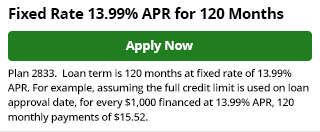
Vance Insulation and DryGuard Systems offers financing options and works with homeowners to combine those plans with available incentives and warranties to reduce upfront burdens. Their financing availability complements free estimates and tailored recommendations so homeowners can compare out-of-pocket cost, monthly payment scenarios, and the projected energy savings that reduce net ownership cost over time. For eligibility checks and to understand how a given project might align with federal tax credits or local rebates, Vance provides consultations and documentation support as part of the free estimate process. Homeowners interested in a personalized affordability plan should request a consultation to review financing options and potential incentive stacking.
Address: 3922 Puddledock Rd, Prince George, VA 23875
Phone:804-862-4493
Business Hours:
Mon - Fri: 7:00 AM to 6:30 PM
Sat-Sun: Closed
GreenSky Financing
5% off Military, Veteran, First Responders