Crawl space waterproofing is the targeted combination of barriers, drainage, humidity control, and sealing techniques designed to keep subsurface moisture out of the area beneath your home. In Virginia’s humid climate, crawl spaces are especially vulnerable to groundwater intrusion, seasonal runoff, and persistent humidity, which together create conditions that threaten structural components and indoor air quality. This guide explains the root causes of crawl space moisture, the short- and long-term risks to health and structure, and the practical waterproofing solutions that work best in the region. You will learn how encapsulation, vapor barriers, dehumidification, drainage and sump systems interact to control moisture, when to schedule an inspection, and what typical cost drivers are so you can make an informed decision. The article also outlines maintenance steps and answers common homeowner questions about encapsulation versus standalone vapor barriers. Throughout, the emphasis is on durable, practical repairs that protect subfloor framing, improve energy performance, and reduce mold and pest risk in Prince George, VA and surrounding areas.
Crawl space moisture arises when water or humid air accumulates below the floor, and because crawl spaces are hidden and often uninspected, small problems quickly become systemic. Moisture collects through several pathways—groundwater seepage, surface runoff, plumbing leaks, and humid air infiltration—and then promotes mold growth, wood decay, and pest activity that travel upward into living spaces. The silent nature of the threat means homeowners often detect symptoms only after indoor air quality or structural issues emerge, so early identification and targeted moisture controls are essential. Understanding the common sources and their local triggers in Virginia helps prioritize the correct combination of drainage, vapor control, and mechanical dehumidification to stop problems before they damage structure or health.
Crawl spaces receive moisture from several predictable sources that vary by site conditions and season. Common moisture origins in Virginia crawl spaces include groundwater seepage, surface runoff from poor grading, plumbing leaks, and humid air infiltration. Groundwater and high water tables can force moisture through the soil into low-lying crawl spaces, especially after heavy rains or in poorly graded yards. Surface runoff from downspouts, poor grading, and clogged gutters channels water toward foundation walls and into footing drains, increasing wetting. Indoor plumbing leaks and condensation on cold surfaces add chronic moisture, while humid outdoor air can be drawn in through vents or unsealed penetrations, raising relative humidity. Seasonal factors such as heavy spring rains and summer humidity amplify each source. Identifying which sources are most active at your home directs whether the solution emphasizes drainage, sealing, or mechanical drying, with fixes often focusing on drainage correction, plumbing repair, sealing penetrations, and controlling interior humidity.
Detecting the active sources allows targeted fixes that reduce repeat visits and long-term repair costs. The next section explains the specific impacts unchecked moisture has on health and structure.
Moisture in a crawl space creates a microclimate that promotes mold growth, accelerates wood rot, and undermines insulation performance, all of which directly affect living areas above. Mold spores and volatile compounds from damp materials can migrate into HVAC systems and conditioned spaces, worsening allergies and respiratory symptoms for occupants. Structurally, prolonged elevated humidity and direct wetting can weaken joists, cause subfloor rot, and contribute to sagging floors or localized foundation stress that require costly repairs. Preventive waterproofing protects both indoor air quality and the longevity of framing components, reducing the likelihood of expensive remediation and preserving home performance.
Professional crawl space waterproofing combines engineered solutions—encapsulation, drainage, dehumidification, and targeted repairs—to produce durable outcomes that go beyond temporary fixes. The core benefits include protection of structural elements from rot and decay, measurable improvements in indoor air quality, reduced energy consumption by stabilizing subfloor conditions, lowered pest risk by removing damp habitats, and increased buyer confidence through documented remediation. Because professionals design systems to address the site’s specific moisture drivers, homeowners receive solutions that reduce recurrence and simplify long-term maintenance.
Crawl space waterproofing delivers these primary homeowner outcomes: it provides Structural Protection by using a sealed crawl space and drainage system to prevent wood decay and structural damage; it ensures Improved Indoor Air Quality as encapsulation and dehumidification stop airborne spore transfer from the crawl space into living areas; it offers Energy Savings by stabilizing crawl space humidity, protecting insulation performance, and reducing HVAC workload; it leads to Pest Reduction by sealing access points and removing damp microhabitats that deter termites, rodents, and other pests; and it enhances Resale Value through documented waterproofing and warranties that increase buyer confidence during inspections.
These benefits translate into measurable homeowner value when systems are tailored to site conditions.
Vance Insulation & DryGuard Systems is a family-owned provider serving Prince George, VA and surrounding areas that specializes in crawl space encapsulation, mold remediation, vapor barrier installation, drainage, sump pump installation, and dehumidification. As a local expert offering comprehensive moisture-control services, they combine practical site assessment with systemized installation to deliver lasting results for homeowners seeking to protect structure and indoor air quality. Vance Insulation & DryGuard Systems also emphasizes homeowner confidence through free estimates and consultations, available financing options, and comprehensive warranties, and they hold IICRC Mold Remediation Certification for mold-related work. Homeowners considering professional support will find that combining technical design with documented protections reduces long-term costs and simplifies resale disclosure.
Professional solutions integrate multiple components so that drainage, vapor control, dehumidification, and mechanical systems work as a coordinated system rather than isolated fixes. Vance Insulation & DryGuard Systems offers a menu of services that typically combine crawl space encapsulation with high-performance vapor barriers, targeted drainage or sump systems where needed, mechanical dehumidification sized to the space, and mold remediation when contamination is present. The DryGuard Systems process emphasizes a site-specific plan, high-quality components, and post-installation testing to ensure humidity and dryness targets are met. A system approach reduces recurrence and clarifies maintenance needs for homeowners in Virginia’s variable climate.
The DryGuard Systems process used by Vance Insulation & DryGuard Systems typically follows a clear sequence: inspect and diagnose moisture drivers, correct drainage and plumbing issues, install encapsulation and vapor barriers, integrate dehumidification and sump systems as required, and finalize with verification testing and documentation.
After installation, homeowners receive guidance on monitoring and maintenance and may access financing options to make projects more affordable.
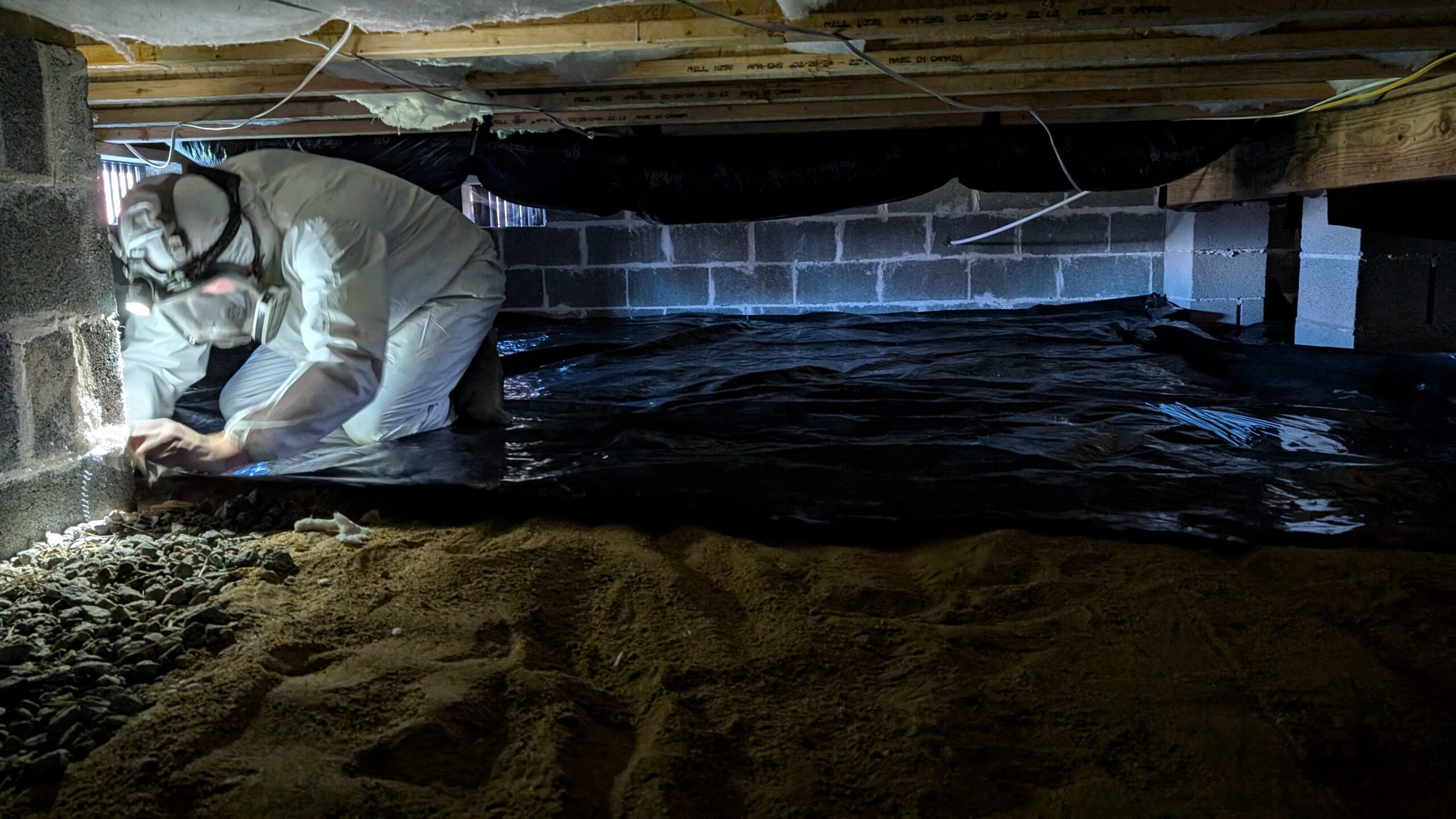
Crawl space encapsulation is the comprehensive sealing of the crawl space interior using durable vapor barriers applied to the floor and often the foundation walls, combined with sealing of vents, penetrations, and sill areas to create a controlled environment. The technique isolates the space from ground moisture and outdoor humid air, and when paired with a dehumidifier it maintains lower relative humidity to prevent mold and condensation. Installation typically involves cleaning the space, repairing localized damaged materials, installing the liner with mechanical fasteners and seam tape, and sealing around plumbing and duct penetrations. Proper encapsulation reduces long-term maintenance and improves the performance of insulation and subfloor systems.
Each component plays a distinct role and works best when integrated into a single strategy: vapor barriers stop soil moisture from adding humidity, dehumidifiers control airborne moisture to protective setpoints, and sump pumps remove collected water from interior drains or basins. Vapor barriers are the passive first line of defense; dehumidifiers are active controls that respond to humidity loads; sump pumps provide a mechanical escape route for water that reaches collection points. Correct sizing and placement are critical: undersized dehumidifiers or improperly routed sump discharge can leave vulnerabilities, while correctly matched equipment stabilizes conditions and reduces mold and structural risk.
The DryGuard Systems process emphasizes a systems-based approach, combining diagnostic testing, materials chosen for durability, and a coordinated installation workflow to ensure each component performs as designed. Quality controls include pre-installation site assessment, documented remediation steps if mold is present, specification of heavy-gauge vapor barriers and sealed seams, and post-installation humidity testing. For homeowners, the advantages include clearer performance expectations, documented outcomes, and access to warranties and financing that reduce perceived risk. Because DryGuard Systems integrates remediation and equipment selection, it limits callbacks and produces verifiable, long-term moisture control.
Detecting crawl space moisture early relies on both visual inspection and attention to indoor indicators that often originate beneath the floor. Warning signs include visible standing water, mold or mildew staining on foundation surfaces, musty odors in living spaces, and symptomatic issues such as increased allergy symptoms or damp insulation. Periodic professional inspections—especially after heavy storms or if occupants notice persistent odors or humidity spikes—are the best way to catch hidden problems before they escalate. Recognizing the combination of visible, olfactory, and structural cues enables homeowners to act promptly and prioritize repairs that protect both health and structure.
Visible and odor indicators often present early and provide direct clues about the source and severity of a moisture problem. For instance, standing water on the crawl space floor indicates drainage or seepage issues, while mold or staining on joists and foundation points to persistent humidity problems. Musty, persistent odors in living spaces often trace back to spore sources below, originating from contaminated crawl space air. White efflorescence on masonry also points to chronic moisture migration, and black or green mold patches signal active biological growth. Inspectors also look for deteriorated insulation, sagging floor sections, and pest droppings, all of which suggest ongoing damp conditions. Promptly documenting these signs and sharing them with a professional helps ensure an effective remediation plan.
These indicators should trigger a professional inspection to diagnose sources and recommend corrective measures such as encapsulation, drainage repair, or dehumidification.
Homeowners should schedule an inspection if they observe any of the visible or odor indicators above, after major storms or flooding events, when buying or selling a home, or when occupants experience unexplained respiratory irritation. Seasonal triggers in Virginia—such as spring rainfall and summer humidity peaks—are good times for preventive checks because they reveal how the space behaves during high-moisture periods. For real-estate transactions, inspections add value by documenting remedial work and warranties, while for occupied homes, a targeted inspection after persistent indoor humidity or HVAC performance changes can prevent costly structural repairs.
Crawl space waterproofing costs vary considerably because site access, the extent of existing damage, the chosen system scope, and equipment selection all affect labor and materials. A basic vapor barrier installation costs less than a full encapsulation that includes drainage correction, a crawl space-rated dehumidifier, and a sump pump. Key pricing drivers include crawl space accessibility (tight spaces require more labor), extent of mold remediation or structural repair, drainage corrections needed, and the capacity and brand of mechanical systems selected. Because of this variability, many providers offer free estimates and financing to make projects easier to evaluate and budget.
Understanding these components helps homeowners prioritize interventions and compare proposals more objectively. After the cost breakdown, many homeowners ask whether financing or free estimates can reduce barriers to action.
Typical cost components include initial inspection and diagnosis, vapor barrier and encapsulation materials, labor for installation and sealing, drainage or sump pump installation if needed, dehumidifier purchase and setup, and any required mold remediation or structural repairs. Each component contributes to the total: materials and equipment are relatively fixed, while labor and repair needs can vary widely based on site conditions. Because these inputs vary by property, getting a detailed scope from a professional avoids scope creep and surprises. An itemized estimate clarifies which elements are essential and which are optional upgrades.
Free estimates let homeowners evaluate project scope and compare system options without upfront cost, reducing the friction that postpones necessary work. Financing options spread the investment into manageable payments, making comprehensive solutions—such as encapsulation combined with a dehumidifier and sump pump—accessible when immediate full payment is a barrier. Warranties included in many professional packages also reduce perceived risk by guaranteeing performance for a defined period. Together, free estimates, financing, and warranties create pathways for homeowners to choose the right long-term solution rather than temporary band-aids.
Vance Insulation & DryGuard Systems explicitly offers free estimates and consultations, available financing options, and comprehensive warranties to help homeowners in Prince George, VA and surrounding areas make informed decisions while managing upfront cost concerns. These offerings are designed to reduce friction for homeowners evaluating encapsulation and related services.
Homeowners commonly ask how regional climate affects crawl space risk, whether encapsulation or a vapor barrier is the right approach, and what maintenance is required after installation. Clear, direct answers help property owners prioritize inspections and choose interventions that align with local conditions and long-term value. Below are concise, actionable responses to the most frequent questions that homeowners in Virginia raise when considering crawl space waterproofing.
Virginia’s climate combines seasonal heavy rainfall with high summer humidity, which increases both the frequency and persistence of moisture threats beneath homes. Crawl spaces in the region are at higher risk for groundwater intrusion, condensation, and humidity-driven mold growth, all of which accelerate wood decay and compromise indoor air quality. Waterproofing reduces these risks by controlling soil moisture, improving drainage, and stabilizing interior humidity. For homeowners, this translates into fewer structural repairs, improved living comfort, and protection of insulation and HVAC performance.
Encapsulation is a system approach that uses sealed vapor barriers, vent sealing, and mechanical humidity control to create a stable, dry environment; it typically offers longer-term protection and performance than a standalone vapor barrier. A vapor barrier alone can limit soil moisture transfer but does not address humid air infiltration, drainage failures, or active water entry. Encapsulation is preferable for comprehensive, long-term control, while a vapor barrier can be an appropriate interim or budget-conscious option when moisture sources are limited and drainage is adequate.
Maintenance focuses on simple, periodic checks that preserve system performance. Seasonal maintenance tasks include monitoring dehumidifier operation and condensate removal, testing sump pump operation and backup power, and scanning barrier seams for breaches or damage. Annual inspections verify equipment performance and check for new plumbing leaks or pest entry. Homeowners should also maintain exterior grading and guttering to minimize new water entering the foundation area, and schedule a professional re-inspection every 1–3 years or after significant storms, or when in doubt, schedule a professional evaluation after significant weather events. Routine checks catch component failures early and keep humidity within target ranges, preventing the recurrence of mold or rot.
These habits maximize long-term system performance and extend the service life of mechanical components and barriers.
Get a Free Crawl Space Waterproofing Estimate Today — connect with Vance Insulation & DryGuard Systems to schedule a professional inspection and review a site-specific plan that can include encapsulation, vapor barrier installation, drainage correction, sump pump installation, dehumidification, and mold remediation. Their team serves Prince George, VA and surrounding areas and offers free estimates and consultations, available financing options, comprehensive warranties, and IICRC Mold Remediation Certification for mold-related work. To arrange an inspection or get a documented proposal, search for Vance Insulation & DryGuard Systems on their Google Business Profile and request a free estimate through the profile or by contacting the company directly via their established channels.
Address: 3922 Puddledock Rd, Prince George, VA 23875
Phone:804-862-4493
Business Hours:
Mon - Fri: 7:00 AM to 6:30 PM
Sat-Sun: Closed
GreenSky Financing
5% off Military, Veteran, First Responders